

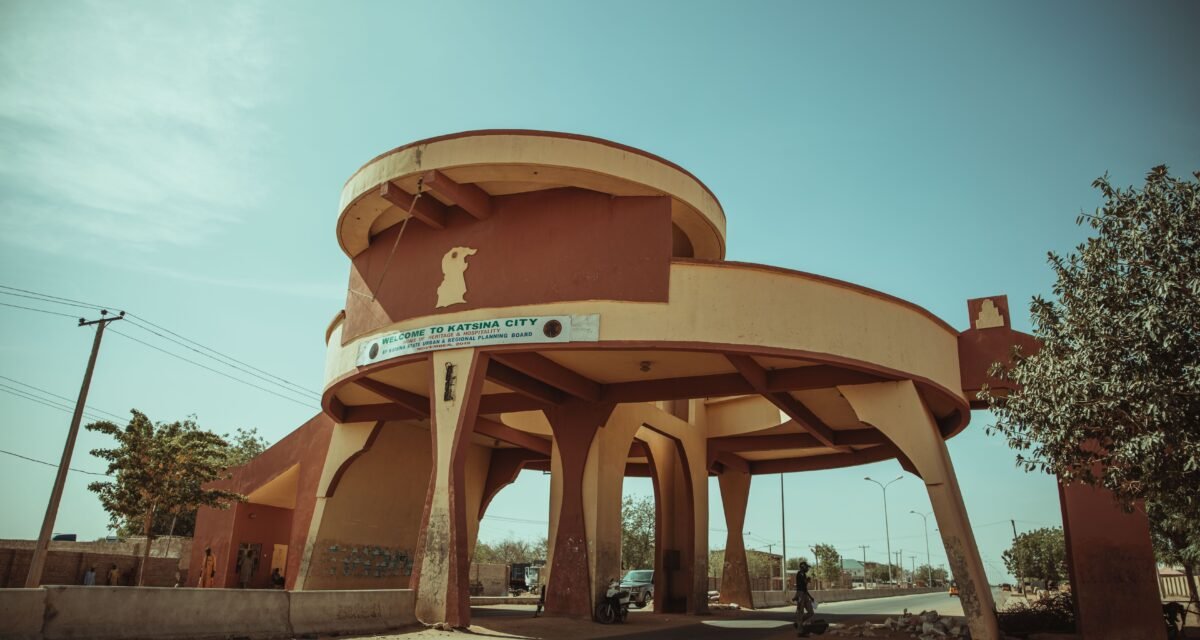
My journey from Abuja to Makurdi was going normally until I got to Sharp-Corner in Mararaba, Nasarawa State. That single stretch of road, and the few minutes I spent at a transport park there, taught me more about tourist scams in Nigeria than any warning I had read online before the trip.
This article is built around that experience, and around a simple question that every traveller in Nigeria eventually has to answer: how do you tell the difference between someone genuinely trying to help you and someone trying to take advantage of you before you have even settled into the seat of your vehicle?
This guide uses my Sharp-Corner experience as the entry point, then widens out into a full breakdown of tourist scams in Nigeria that travellers, both local and international, should be aware of.
Along the way I will explain how to avoid being scammed in Nigeria, what red flags to watch for, and what to do if you find yourself in a situation similar to the one I nearly walked into.
If you want a wider look at scam risks across a different route, Watch Nigeria’s guide on how to avoid travel scams in Nigeria covers a separate Lagos-to-Makurdi journey in more general terms. This article goes deeper into the one specific mechanism, unofficial transport-park workers, that very nearly cost me money at Sharp-Corner.
What Happened at Sharp-Corner, Mararaba
Sharp-Corner is a well-known junction area in Mararaba, Nasarawa State, close to the Abuja-Keffi-Akwanga axis that many travellers use when heading toward Nasarawa, Benue and other parts of central and eastern Nigeria.
If you are mapping out this route for your own trip, Watch Nigeria’s Abuja to Makurdi road trip guide lays out the stops, road conditions and timing in detail, and is worth reading alongside this article. It is a busy, ordinary transit point, the kind of place millions of Nigerians pass through every year without any trouble at all.
My experience there involved a small number of specific individuals, not the location as a whole, and definitely not the many legitimate drivers, park officials and traders who work there every day.
When my vehicle from Abuja pulled in, I needed to change to another vehicle heading toward Makurdi. As soon as I stepped down with my bags, a group of young men who were standing around the park approached quickly.
They were friendly, confident and spoke as though they worked there. Without waiting for me to ask for help, they picked up my luggage and started walking toward a parked vehicle, telling me it was headed to Makurdi and that I should follow them.
Everything about their manner suggested familiarity with the park. They knew where the vehicles were parked, they called out to drivers by name, and they moved with the kind of ease that made it easy to assume they were official park workers or agents of the transport operator.
It was only when they hurriedly asked me to pay them directly, before I had confirmed anything about the vehicle, the driver or the actual fare, that something felt off.
I paused and asked a simple question: who exactly are you, and are you with this transport company? The response was vague. Instead of a clear answer, there was more pressure to pay quickly because, as they put it, the vehicle was about to leave. That pressure, more than anything else, was the clearest warning sign.
I asked to speak directly to the driver and to confirm the fare and the vehicle at the ticket point before handing over any money. Once I insisted on that verification step, the urgency from these individuals dropped noticeably, which told me everything I needed to know.
To be clear, I am not saying these particular individuals successfully scammed anyone, and I do not have independent evidence that they had stolen from other travellers that day or on any other day. I am also not suggesting that everyone who assists passengers with luggage at Sharp-Corner, in Mararaba, or in Nasarawa State generally is dishonest.
Many transport parks across Nigeria have legitimate loaders, agents and porters who are actually authorised by the companies they represent. What I experienced was a specific, narrow situation: a group of people who behaved as though they had authority they had not demonstrated, collecting luggage and money without any of the usual verification that a legitimate transaction would involve.
The lesson is about that pattern of behaviour, not about the people of Mararaba, Nasarawa State, or Nigeria’s transport parks in general.
The Lesson: Never Assume Confidence Equals Authorisation
The core lesson from Sharp-Corner is simple to state and easy to forget in the moment: never assume that someone who approaches you at a transport park and starts handling your luggage is automatically an official worker. Confidence, familiarity with the environment and quick, friendly service are not proof of authorisation.
They are simply behaviours that a legitimate worker and an opportunistic individual can both display equally well.
It is worth being honest about why this mistake is so easy to make. When you arrive at a busy park, you are often tired from the road. You may be unfamiliar with the specific layout of that park, especially if it is your first time passing through.
You are carrying luggage, which makes you want help rather than more walking around. You may be rushing to catch the next available vehicle before it fills up. And in that moment, you are relying entirely on strangers for information you cannot independently confirm.
All of these pressures push a traveller toward trusting the first confident voice that offers assistance, and that is exactly the gap that a dishonest individual is counting on.
Recognising this pattern does not mean becoming suspicious of every person who offers help. Genuine assistance exists everywhere in Nigeria, including at busy parks like the one at Sharp-Corner. The difference lies in pausing long enough to verify who you are dealing with before luggage and money change hands, rather than after.
What Is a Tourist Scam?
Before going further, it helps to define terms clearly, because not every disappointing travel experience is a scam, and labelling everything as fraud does a disservice to genuine businesses and workers.
A genuine mistake happens when someone gives you incorrect information without intending to deceive you. A driver might genuinely believe a route is shorter than it is, or a vendor might misquote a price out of simple error.
A pricing disagreement is a dispute over what something should cost. Bargaining is a normal part of commerce in many Nigerian markets and transport hubs, and a disagreement over price is not automatically fraud, even if it feels frustrating in the moment.
Poor service describes an experience that simply does not meet your expectations, such as a slow driver, an uncomfortable vehicle, or a room that is smaller than you hoped. Disappointing, yes. Dishonest, not necessarily.
A scam, by contrast, is deliberate deception carried out to obtain money, property, personal information or some other benefit from you under false pretences. The unofficial luggage handling I encountered at Sharp-Corner sits in this category when the person collecting payment has no real connection to the vehicle or company they claim to represent.
Keeping this distinction in mind matters throughout this guide. The goal of a practical guide to tourist safety in Nigeria is not to make every traveller paranoid about every interaction, but to help you correctly identify the specific situations that call for extra caution.
A. Unofficial Transport-Park Workers
This is the category that connects most directly to my own experience, so it deserves the most detailed treatment. Unofficial transport-park workers are individuals who present themselves, through words or behaviour, as employees or agents of a park or transport company, without actually holding that role.
How a traveller might encounter it
You step out of a vehicle, often tired and carrying luggage, and are immediately approached by someone who offers to help you find your next vehicle, carry your bags, or complete your booking. This can happen at motor parks, at bus terminals, and at informal stopping points like Sharp-Corner in Mararaba.
What makes it convincing
Someone may appear to be a legitimate park worker simply because they approach passengers confidently, know exactly where vehicles are parked, handle luggage without hesitation, give clear directions around the park, appear genuinely familiar with the environment, and speak as though they represent the transport operator. None of these behaviours, on their own, actually prove authorisation.
Warning signs
- They take your luggage before you have asked for help or agreed to any arrangement.
- They rush you to pay before you have confirmed the vehicle, driver or fare.
- They cannot clearly name the transport company they claim to work for, or give inconsistent answers.
- They discourage you from speaking directly to the driver or an official ticket counter.
- They create a sense of urgency, insisting the vehicle is about to leave.
How to verify the situation
Ask directly: are you with this transport company? Ask where you should actually pay, and whether that location is the official ticket office or booth. Ask if you can confirm the arrangement with the driver or the ticket office before handing over any money. A legitimate worker will have no difficulty pointing you toward that confirmation. Someone relying on your rush and confusion generally will.
How to avoid it
Take a brief pause on arrival, even a few seconds, to look around and identify the official ticket point, the visible company signage, or a uniformed staff member before accepting help from anyone. Keep your luggage within your own control until you have confirmed the arrangement. Pay at the official point, not to an individual standing beside the vehicle.

What to do if it happens
If you realise, mid-interaction, that you are dealing with someone who cannot verify their role, calmly ask for your luggage back and move toward the official ticket counter or a driver you can identify directly. There is usually no need for confrontation. Simply withdrawing from the exchange and seeking verification elsewhere is normally sufficient.
What not to do
Do not hand over payment simply because you feel rushed. Do not physically confront anyone, especially in a crowded park, since this can escalate a situation unnecessarily. Do not assume that because someone is friendly or persistent, they must be legitimate.
Fake or Unauthorised Luggage Handlers
Closely related to the point above, but worth its own section because it was the exact mechanism at play in my Sharp-Corner experience, is the issue of unauthorised luggage handling. This is one of the more common tourist scams in Nigeria because luggage is both valuable and, in the confusion of a busy park, easy for a stranger to walk away with.
Travellers should be careful when strangers take luggage without being asked, insist on carrying bags even after being told it is not necessary, rush the luggage into a vehicle before any arrangement is confirmed, demand immediate payment for handling your bags, or refuse to clearly identify who they work for when asked.
It is important to stress that legitimate luggage assistance genuinely exists at many parks across the country, and plenty of porters and loaders are properly connected to the transport companies they serve.
The issue is verification, not automatic distrust of everyone who offers to help with your bags. Safer alternatives include keeping valuables such as phones, cash, documents and electronics in a bag you carry yourself rather than one handed to a stranger, verifying the person’s role before allowing them to take your luggage, confirming the vehicle and driver first, keeping your luggage visible until the arrangement is verified, and paying only through a verified channel such as an official ticket window rather than directly to the individual who carried your bag.
Fake Transport Agents
Beyond individual luggage handlers, some travellers encounter people who falsely claim to represent a bus company or transport operator more broadly.
This can include unofficial ticket sellers who approach you away from the actual ticket counter, people who redirect you toward a different vehicle or company than the one you intended to use, fake booking arrangements made verbally with no paper or digital confirmation, and unauthorised individuals who collect payment on behalf of a company without any real connection to it.
A simple verification checklist helps here. Confirm the name of the transport company matches the signage, vehicle branding and any ticket you receive. Confirm that payment is made at an official counter, through an official mobile number listed on the company’s own materials, or through a recognised digital platform, rather than to an individual’s personal account suggested on the spot.
Ask to see the vehicle and confirm its registration or company markings before paying. If a company has a customer service line, a quick call to confirm your booking is a small step that can save considerable trouble.
Fake Tickets and Booking Confirmations
Fraudulent tickets and altered booking confirmations are another recognised category of travel fraud in Nigeria, particularly as more bookings move online.
This includes fake tickets sold outside official channels, altered booking confirmations that look convincing but do not match the company’s actual records, unofficial receipts issued by someone with no real authority to issue them, requests for payment into personal bank accounts rather than a company’s verified account, and fake confirmation messages sent to make a booking appear legitimate.
Travellers can protect themselves by booking directly through a company’s official website, verified app, or a physical office, rather than through a third party found on social media or through an unsolicited message.
Where possible, confirm a booking by calling the company using a number obtained independently, for example from their official website, rather than a number given to you by the person selling the ticket. Keep all confirmation messages and receipts until your journey is fully complete.
Taxi and Ride-Hailing Scams
Taxi and ride-hailing scams cover a range of situations, from unofficial taxis parked near transport hubs and airports to fare manipulation during a trip.
Common patterns include fake drivers who approach travellers directly rather than through a booking app, unofficial taxis without proper markings or identification, fare manipulation where an agreed price is later disputed, unexpected charges added after a journey has started, requests to cancel a legitimate app-based booking in favour of a direct cash arrangement, drivers who ask for payment outside the app to avoid fees or records, unnecessary route changes that increase the fare, and a general lack of verifiable driver or vehicle identity.
Practical prevention starts with using licensed, reputable ride-hailing platforms where the driver’s name, photo, vehicle details and route are all visible and recorded within the app. Confirm the driver’s name and vehicle registration match what the app shows before entering the vehicle.
Where a booking app is not available, agree on the fare clearly before the journey begins, and avoid being pressured into cancelling a legitimate booking. According to the UK Foreign, Commonwealth and Development Office’s Nigeria travel advice, travellers are generally advised to use pre-booked or officially recognised transport options rather than hailing unmarked vehicles on the street, particularly in unfamiliar areas.
Airport Pickup Scams
Airport arrivals are a moment of natural vulnerability for any traveller, since you are often tired, unfamiliar with the surroundings, and looking for a friendly, authoritative face. Someone may falsely claim to be hotel staff sent to collect you, a driver arranged by your accommodation, a tour operator representative, a travel agent you have not actually engaged, or an airport representative offering unsolicited assistance.
The safest approach is to arrange a verified pickup in advance with your hotel, host or transport provider, and to confirm identifying details such as the driver’s name, vehicle description and, where possible, a photograph before you leave the airport.
If someone approaches you claiming to represent your accommodation but cannot confirm the specific booking details you gave your hotel, that mismatch is itself a warning sign. Both the U.S. Department of State’s travel advisory for Nigeria and the FCDO’s guidance recommend arranging airport transfers through known, verified providers rather than accepting unsolicited offers at arrivals halls.
Accommodation and Short-Let Scams
Nigeria’s accommodation market, particularly the growing short-let apartment sector in cities like Lagos and Abuja, has its own set of risks. These include fake listings advertised on social media or classifieds sites, fake property managers who have no real connection to the property shown, copied photographs taken from a different, sometimes unrelated, listing, fake websites designed to resemble legitimate booking platforms, suspicious requests for large deposits before any viewing or verification, sudden changes to payment instructions shortly before a stay, and accommodation that, on arrival, does not match what was advertised.
Travellers should be cautious of listings that seem unusually cheap for the location and standard shown, and should insist on verifying a property, its owner or manager, and its exact address, through more than one channel before transferring money. Paying only through a recognised booking platform, rather than directly to a personal account suggested outside that platform, adds a layer of protection and dispute resolution that a private transfer does not offer.
It is worth stressing that most short-let hosts and property managers operate honestly, and a bad experience with one listing does not reflect on the sector as a whole. For a starting point on choosing somewhere to stay in the first place, Watch Nigeria’s guide to best hotels in Nigeria for first-time visitors walks through what to look for before booking, in Makurdi or anywhere else.
ATM and Card Scams
Financial safety is a core part of tourist safety in Nigeria, and ATM and card-related scams remain one of the more damaging categories because they target your money directly. Risks include unsolicited assistance from strangers at an ATM, situations where your PIN is exposed to someone nearby, card theft or skimming, suspicious transactions appearing on your account, and fake payment requests sent through text messages or calls claiming to be from your bank.
Travellers should never disclose their PIN, one-time passwords, or full banking credentials to anyone, including someone claiming to be a bank official, a park worker, or a fellow traveller offering to help. Shield the keypad when entering your PIN, use ATMs located inside banking halls or well-lit, monitored areas where possible, and check your account activity regularly during your trip.
The Central Bank of Nigeria’s consumer protection guidance on fraud and scams outlines official channels for reporting suspicious financial activity, and its related page on complaints management explains how consumers can escalate unresolved issues with their bank.
Currency Exchange Scams
For international visitors in particular, currency exchange is a point where small deceptions can add up. Common issues involve miscounted cash during an exchange, unclear or unfavourable exchange rates that are not properly explained, denominations that are subtly swapped or short-counted, and informal exchange arrangements that leave no paper trail if something goes wrong.
The safest practice is to use licensed bureaux de change or reputable banking channels rather than informal street exchange, to count all cash carefully in the presence of the person handling the transaction, to check denominations before leaving the counter, and to request a receipt where the service offers one.
This guide will not quote a specific exchange rate, since rates shift constantly and any figure printed here would quickly become outdated; always confirm the current rate through a licensed provider or your bank before exchanging money.
Online Travel Scams
A growing share of tourist scams in Nigeria, as elsewhere, now happen before a traveller even arrives, through fake travel websites designed to resemble legitimate booking platforms, fake hotel websites with copied branding, fake social-media accounts impersonating real travel agencies or hotels, fraudulent payment links sent through direct messages, impersonation of well-known Nigerian travel brands, and fake promotions advertising unrealistic discounts to attract quick payments.
Travellers can protect themselves by independently searching for a business’s official website and contact details rather than clicking links sent directly to them, checking whether a company’s social-media account is verified or matches details on its official site, and being wary of any arrangement that insists on off-platform payment before you have had any chance to verify the business independently.
Social-Media Impersonation
Scammers can impersonate hotels, transport companies, travel agencies, tour guides and event organisers on social media, often using copied logos, photos and even real customer reviews lifted from genuine accounts.
This does not reflect any wrongdoing by the platforms themselves, and there is no basis for making unsupported claims against any specific social-media company; the responsibility lies with the individuals running the fraudulent account.
Verification through independent official channels is the most reliable defence. If a business has a website, cross-check the phone number, email address and social handles listed there against whatever account has contacted you.
A sudden new account with few followers, inconsistent posting history, or pressure to move the conversation to a private messaging app for payment are all reasons to slow down and verify further.
Fake Officials
Some travellers report encounters with individuals falsely claiming to be police officers, government officials, airport officials, transport officials, immigration officials or hotel representatives. This is a sensitive area, and the guidance here is deliberately cautious: do not confront someone simply because you are suspicious of them.
Instead, stay calm, ask politely for identification where appropriate, and look for consistency between what they are telling you and what you can independently verify, for example by checking with an actual office, counter or uniformed presence nearby. Where practical, moving toward a legitimate office or a public, well-populated area is a reasonable step if you feel uncertain about a request.
If a demand feels irregular, you are entitled to ask for clarification, and to seek help from an official desk or authority rather than resolving the matter with the individual alone.
Fake Emergency Requests
Another category, more common in ongoing relationships or repeated contact than in a single travel encounter, involves fake emergency requests. These can take the form of stranded traveller stories, lost-wallet claims from someone you have only just met, sudden medical emergencies involving an alleged friend or relative, or urgent transport emergencies requiring immediate cash.
The rule here is straightforward: verify before you send money. A short delay to confirm a story independently, by calling a known number, checking with a mutual contact, or simply asking questions the person telling the story should easily be able to answer, will not meaningfully worsen a genuine emergency, but it can prevent a costly deception.
Unofficial Fees
Unofficial fees sit in a grey area that many travellers find confusing, because Nigeria, like most countries, does have legitimate government and service charges. The issue is not fees themselves but unexplained ones.
Be alert to unexpected charges that were not mentioned earlier, unclear service fees with no explanation of what they cover, unofficial payment demands made informally rather than through a receipt or counter, and requests for cash with no stated purpose.
A short set of questions can clarify most situations: what is this payment for, who exactly is collecting it, is it an official charge, can I get a receipt, and can I verify this with the relevant operator or office. This is about clarity, not refusal. Legitimate government charges, tolls and official service fees should be paid, and this guide does not suggest otherwise.
Too Good to Be True Deals
Suspiciously cheap accommodation, transportation, tours, car hire, event tickets or holiday packages are a recurring feature of travel fraud in Nigeria and everywhere else in the world. A price that sits far below the normal market rate for a comparable service is not automatically a scam, but it is a strong enough signal that it deserves extra verification before you commit money.
Independently check reviews, confirm the business through more than one channel, and be especially cautious about paying the full amount upfront for a deal that seems unusually generous.
Road, Market and Bus-Stop Scams
Beyond the specific categories above, travellers moving through Nigerian roads, markets and bus stops should be aware of a handful of recurring, lower-level risks: misleading directions given by someone who may not actually know the way, unsolicited luggage assistance similar to what happened at Sharp-Corner, inflated prices sometimes quoted to visitors who are assumed to be unfamiliar with local rates, fake or exaggerated transport information designed to redirect you toward a particular vehicle or vendor, pressure to make a quick purchase, and unexpected charges that appear only after a transaction has already begun.
None of this means that all markets or bus stops are unsafe. The overwhelming majority of transactions at Nigerian markets and parks are entirely ordinary. The point of naming these risks is simply to help travellers recognise the specific, narrower situations where a bit more caution and verification genuinely pays off.
If your route also has you sampling roadside and market food along the way, Watch Nigeria’s guide on what tourists should know before eating Nigerian food covers the separate question of choosing vendors safely, distinct from the pricing and luggage risks discussed here.
The STOP, CHECK, VERIFY, PAY, PROCEED Framework
Looking back at my own experience at Sharp-Corner, I have found it useful to boil the whole lesson down into a five-step framework that applies to almost every situation described in this guide.
STOP. Do not make a rushed decision, no matter how much urgency someone is projecting. A genuine arrangement can survive a short pause; a dishonest one usually cannot.
CHECK. Look at the details in front of you. Who is this person? What company do they claim to represent? Does the vehicle, ticket or listing match what they are telling you?
VERIFY. Confirm independently, whether that means speaking directly to a driver, calling an official number, or checking a company’s own website rather than relying on the word of the person asking for payment.
PAY. Once you are satisfied, pay through the verified channel, whether that is an official ticket counter, a recognised booking platform, or a confirmed company account, rather than directly to whoever happens to be standing closest to you.
PROCEED. Continue only once the arrangement makes sense as a whole. If something still feels unclear at this stage, it is reasonable to pause again rather than push ahead.
Had I skipped straight from being approached to paying, without inserting the check and verify steps in between, the outcome at Sharp-Corner could have been very different.
20 Warning Signs of a Possible Tourist Scam
- Unexplained urgency. Slow down deliberately when someone insists you must act immediately.
- Demands for immediate payment. Ask what the payment is for before reaching for your wallet.
- Luggage collected before identification. Confirm who someone is before they touch your bags.
- Inconsistent names. If a company name changes between what you were told and what you see, pause and ask why.
- Payment directed to an unrelated person. Only pay the entity the transaction is actually with.
- Refusal to provide a receipt. A legitimate provider generally has no issue issuing one.
- Pressure to leave an official booking channel. Treat this as a signal to verify further, not to comply.
- Suspicious links sent unsolicited. Avoid clicking links from unknown senders promising deals or confirmations.
- Requests for OTPs or PINs. No legitimate service needs these from you over a call or message.
- Unexpected price increases. Ask for a clear explanation before agreeing to pay more.
- Claims of being the only person who can help. This is often used to discourage you from seeking a second opinion.
- Refusal to allow independent verification. A genuine arrangement should withstand a quick confirmation call.
- Unrealistic discounts. Treat deals that seem far below market rate with extra scrutiny.
- Sudden changes to payment details. Re-verify before sending money to a newly provided account.
- Inconsistent company information. Cross-check details against the company’s own official materials.
- Unfamiliar people taking control of your luggage. Keep your bags in your own control until verified.
- Pressure to move away from the main transport area. Stay within visible, public areas during any negotiation.
- Conflicting information from different people. Treat contradictions as a reason to verify further, not to guess.
- Emotional manipulation. Be cautious of appeals designed to make you feel guilty for asking questions.
- Instructions not to contact the actual company. This is one of the clearest warning signs of all, since a legitimate representative has no reason to discourage verification.
How to Verify a Transport Operator
A short, repeatable checklist works well before boarding any vehicle in Nigeria, whether at a formal terminal or an informal stop like Sharp-Corner;
- Confirm the company name matches the branding on the vehicle and any signage.
- Confirm the actual vehicle you are boarding, not just a description of one.
- Confirm the driver, ideally by name and by sight.
- Confirm your destination clearly with the driver or ticket office, not just with whoever approached you first.
- Confirm the fare before the journey starts.
- Confirm exactly where payment should be made.
- Confirm your ticket, if one is issued, matches the details you agreed on.
- Confirm who is actually authorised to handle your luggage.
Keep proof of payment for the duration of your journey. And throughout all of this, do not allow urgency to replace verification, no matter how convincingly it is presented.
What to Do If Your Luggage Is Taken by an Unauthorised Person
If you realise that your luggage has been taken by someone who was not actually authorised to handle it, a calm, structured response gives you the best chance of a good outcome. Stay calm, since panic makes it harder to think clearly or communicate effectively.
Immediately notify the legitimate transport operator or park authority present, since they may be able to identify the individual or the vehicle involved. Try to identify the vehicle involved, including its colour, type and any visible registration details, if you can do so safely.
Preserve any receipts, messages or booking information related to the journey. Do not physically confront or chase a suspected offender if doing so would put you in danger, particularly in a crowded or unfamiliar area. Seek assistance from appropriate authorities, such as park management or the police, depending on the severity of the situation.
Where practical on future trips, keep valuables and essential documents separate from checked or transported luggage, so that even if bags are misdirected, your most important items remain with you.
This guide cannot promise recovery of lost items, and no responsible article should claim otherwise; the steps above simply give you the best realistic chance of resolving the situation.
What to Do If You Have Already Been Scammed
If you believe you have already lost money or property to a scam, whether related to transport, accommodation, or an online booking, a few steps can limit further damage and support any later report or complaint.
Stop any further payments immediately once you suspect something is wrong. Preserve all evidence, including messages, receipts, screenshots and names or descriptions of anyone involved. Save transaction references from your bank or payment provider. Contact your bank or payment provider quickly to report the suspicious transaction and ask about your options.
Contact the legitimate business being impersonated, if applicable, so they are aware their name is being misused. Secure any accounts that may have been exposed during the incident.
Change passwords where necessary, particularly if you shared any login details. Report suspected fraud to the appropriate authorities, including your bank’s fraud desk and, where relevant, the police.
Seek emergency assistance immediately if there is any concern for your physical safety, since financial loss should never come before personal safety.
Avoid confronting suspected scammers directly, since this rarely helps and can create additional risk. For financial fraud specifically, the Central Bank of Nigeria’s fraud and scam awareness page and its complaints management guidance outline the appropriate reporting channels within the banking system.
Bringing It Back to Sharp-Corner
Every category covered in this guide, from unofficial luggage handlers to online booking fraud, comes back to the same underlying principle I learned at that transport park in Mararaba:
- Verify before you trust, pay, or hand over your luggage.
- Don’t assume a person is an official worker simply because they act confidently.
- Verify someone’s role before handing over your bags.
- Confirm the transport company and the specific vehicle you are boarding.
- Ask clearly who is authorised to collect payment.
- Do not allow anyone to rush you into paying before you are satisfied.
- Keep your important belongings under your own control wherever practical.
- Confirm the exact fare before you pay.
- Ask for a receipt or booking confirmation where one is available.
- If something feels unclear at any point, stop and ask questions rather than pushing forward.
And remember that independent verification is always more reliable than someone’s appearance, tone or confidence.
None of this is meant to make travel through Nigeria feel intimidating. The vast majority of interactions at parks, markets, hotels and airports across the country are entirely honest, and most of the people you meet while travelling from Abuja to Makurdi, or anywhere else in the country, are simply going about their day.
Common tourist scams in Nigeria exist, as they do in busy travel environments everywhere in the world, but they are avoidable with a small amount of preparation and a habit of pausing to verify before committing your money or your belongings.
Conclusion
If Makurdi is your final destination, it is worth arriving with a plan for what to actually do once the transport risk is behind you; Watch Nigeria’s Makurdi travel guide covers the city’s attractions, food and neighbourhoods in detail.
My near miss at Sharp-Corner in Mararaba was not a dramatic story of loss, and that is precisely the point. It was an ordinary moment of pressure and confusion, the exact kind of moment where common tourist scams in Nigeria actually happen, resolved simply by pausing to ask questions before paying.
Whether you are dealing with a transport park, a taxi, an online booking, or someone claiming to be an official, the same underlying discipline applies: stop, check, verify, and only then pay and proceed. Building that habit into your travel routine is, in the end, the most reliable form of tourist safety in Nigeria available to any traveller, local or visiting.
Note: This article is for general informational purposes and reflects the author’s personal experience alongside publicly available guidance from government and financial authorities. It does not constitute legal, financial or security advice, and travellers should consult official sources, including their embassy or high commission, for guidance specific to their circumstances.