


Access to affordable credit remains one of the most significant barriers to economic participation for many Nigerians, particularly women. Despite playing a critical role in households and informal businesses, women often face structural challenges when attempting to secure financing for income-generating activities. These challenges include limited collateral, lack of formal credit history, and restricted access to traditional banking products.
- Key Financial Terms Explained
- Consumer Credit in Nigeria
- Financial Inclusion
- Women Economic Empowerment
- Mobility Financing
- Creditworthiness
- Asset-Based Lending
- Understanding Nigeria’s Consumer Credit Landscape
- The 10,000 Women in Mobility Programme Explained
- How Asset-Based Consumer Credit Works in Practice
- Financial Inclusion Impact of Mobility-Based Credit
- Role of Government and Institutional Oversight
- Benefits and Risks to Consider
- Comparison: Traditional Loans vs Asset-Based Mobility Credit
- Practical Nigerian Context
- Frequently Asked Questions (FAQs)
- 1. What is consumer credit in Nigeria?
- 2. What is CREDICORP?
- 3. Is the 10,000 Women in Mobility Programme a loan?
- 4. Can informal workers access this type of credit?
- 5. Does participation guarantee income?
- 6. How does this improve financial inclusion?
- 7. Are there risks involved?
- Conclusion
Within this context, consumer credit in Nigeria has emerged as an important tool for expanding financial inclusion and enabling productive economic activity. Consumer credit allows individuals to access assets or services upfront while paying over time, making it possible to participate in sectors that would otherwise require large initial capital.
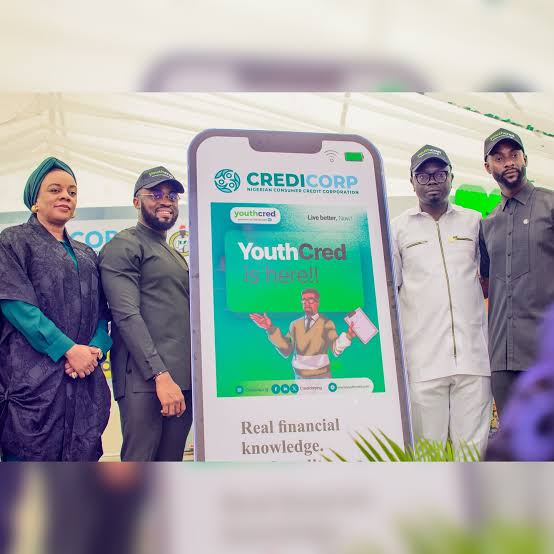
One recent policy-driven initiative aimed at addressing this gap is the 10,000 Women in Mobility Programme, launched by the Nigerian Consumer Credit Corporation (CREDICORP). The programme focuses on enabling women across Nigeria’s 36 states and the Federal Capital Territory (FCT) to access mobility assets such as vehicles, tricycles (keke), and motorcycles through structured credit arrangements.
This article provides an educational, non-promotional analysis of how the programme fits into Nigeria’s broader consumer credit landscape, its financial implications, benefits, risks, and what it means for long-term financial inclusion.
Key Financial Terms Explained
Consumer Credit in Nigeria
Consumer credit in Nigeria refers to loans or financing arrangements provided to individuals to acquire goods or services, with repayment spread over time. Examples include salary-backed loans, hire-purchase agreements, and asset-financing schemes.
Financial Inclusion
Financial inclusion means ensuring that individuals and businesses can access useful and affordable financial services such as savings, credit, insurance, and payments. In Nigeria, this includes reaching informal workers and small-scale entrepreneurs.
Women Economic Empowerment
Women economic empowerment involves providing women with opportunities to earn income, own assets, and make independent financial decisions that improve household and community welfare.
Mobility Financing
Mobility financing refers to credit solutions designed to help individuals acquire transport-related assets such as cars, motorcycles, or tricycles for personal or commercial use.
Creditworthiness
Creditworthiness measures how likely a borrower is to repay a loan. It is often assessed using income stability, repayment history, and existing debt obligations.
Asset-Based Lending
Asset-based lending is a type of financing where a physical asset, such as a vehicle, is used to secure the loan, reducing lender risk.
Understanding Nigeria’s Consumer Credit Landscape
The Role of Consumer Credit in Economic Participation
Consumer credit plays a foundational role in modern economies by enabling individuals to smooth income, invest in productivity-enhancing assets, and manage financial shocks. In Nigeria, consumer credit remains underdeveloped compared to global standards, largely due to risk concerns and weak credit infrastructure.
However, structured programmes backed by public institutions aim to bridge this gap by lowering barriers to access while improving repayment discipline.
Why Women Face Greater Credit Constraints
Women in Nigeria are more likely to work in the informal sector, earn irregular income, and lack formally documented financial histories. These factors reduce their eligibility for traditional bank loans, even when they operate viable businesses.
The result is a credit access gap that limits economic growth and perpetuates income inequality.
The 10,000 Women in Mobility Programme Explained
Programme Overview
The 10,000 Women in Mobility Programme is an initiative by the Nigerian Consumer Credit Corporation (CREDICORP) designed to empower women through access to transport-related assets using structured credit arrangements.
The programme targets women across all Nigerian states and the FCT, with an initial Abuja pilot phase that provided mobility assets to 1,000 women.
Assets Covered Under the Scheme
| Mobility Asset | Common Use Case | Income Potential (Hypothetical) |
|---|---|---|
| Vehicles | Ride-hailing, logistics, delivery | Medium to High |
| Tricycles (Keke) | Urban transport, short-distance trips | Medium |
| Motorcycles | Dispatch, rural transport | Low to Medium |
Income potential varies based on hours worked, location, and market demand.
How Asset-Based Consumer Credit Works in Practice
Step-by-Step Credit Process
| Stage | Description |
|---|---|
| Application | Eligible women apply through approved channels |
| Assessment | Income capacity and usage plan evaluated |
| Asset Allocation | Vehicle, tricycle, or motorcycle provided |
| Repayment | Structured repayments over agreed period |
| Credit Record | Repayment history builds financial profile |
This process allows beneficiaries to access assets without full upfront payment while gradually building creditworthiness.
Financial Inclusion Impact of Mobility-Based Credit
Building Credit Histories
One of the most significant outcomes of structured consumer credit is the creation of formal credit records. As beneficiaries repay their obligations, they establish financial histories that may improve access to future loans.
Expanding Economic Participation
Mobility assets enable women to participate in transportation, logistics, and delivery services—sectors that are increasingly important in urban and semi-urban Nigeria.
Multiplier Effects on Households
Economic research consistently shows that women’s income tends to be reinvested in family welfare, education, and healthcare, amplifying the broader social impact.
Role of Government and Institutional Oversight
The involvement of CREDICORP and the Federal Ministry of Women Affairs provides regulatory oversight and coordination. This helps address common risks associated with informal lending, such as unclear repayment terms and asset seizure disputes.
Government-backed programmes also tend to integrate training, business support, and monitoring, improving sustainability.
Benefits and Risks to Consider
Benefits
- Improved access to consumer credit for women
- Asset ownership without full upfront cost
- Formal credit history development
- Increased participation in mobility-related sectors
- Potential household income stability
Risks and Limitations
- Repayment obligations regardless of income fluctuations
- Asset maintenance and operating costs
- Market saturation in some urban areas
- Dependence on consistent demand for transport services
These risks highlight the importance of financial literacy and realistic income planning.
Comparison: Traditional Loans vs Asset-Based Mobility Credit
| Feature | Traditional Bank Loan | Mobility Asset Credit |
|---|---|---|
| Collateral | Often required | Asset serves as security |
| Access for Informal Workers | Limited | More accessible |
| Credit History Requirement | Strong | Can be built gradually |
| Flexibility | Moderate | Usage-based income |
Practical Nigerian Context
For example, a woman operating a tricycle in a medium-sized Nigerian city may earn variable daily income depending on fuel costs, passenger demand, and operating hours. Repayment schedules must account for such variability to remain sustainable.
These examples are hypothetical and depend on individual circumstances.
Frequently Asked Questions (FAQs)
1. What is consumer credit in Nigeria?
Consumer credit allows individuals to access goods or services upfront and repay over time under regulated agreements.
2. What is CREDICORP?
CREDICORP is the Nigerian Consumer Credit Corporation, established to expand access to responsible consumer credit.
3. Is the 10,000 Women in Mobility Programme a loan?
It is a structured asset-based credit arrangement with repayment obligations.
4. Can informal workers access this type of credit?
Yes, the programme is designed to accommodate informal income earners.
5. Does participation guarantee income?
No. Income depends on individual effort, market conditions, and operational factors.
6. How does this improve financial inclusion?
By providing access to assets, credit records, and structured repayment systems.
7. Are there risks involved?
Yes. Repayment, maintenance costs, and income variability are key considerations.
Conclusion
The 10,000 Women in Mobility Programme represents a practical application of consumer credit in Nigeria aimed at expanding financial inclusion and women’s economic participation. By linking asset access with structured repayment systems, the initiative addresses longstanding barriers to credit access while promoting responsible borrowing.
While the programme offers clear opportunities for income generation and credit history development, it also carries risks that require careful financial planning and realistic expectations. Ultimately, initiatives like this highlight how well-designed consumer credit frameworks can support inclusive economic growth without relying on speculative promises.
For Nigerian readers, understanding how such programmes work is an essential step toward making informed financial decisions and engaging responsibly with emerging credit opportunities.
Disclaimer: This article is meant for informational and educational purposes and should not be considered an investment or financial advise. Always do your own research before making any financial decisions.


If well executed, this initiative can become a blueprint for gender-focused consumer credit in Nigeria — showing that empowering women economically is not charity, but smart economic policy.