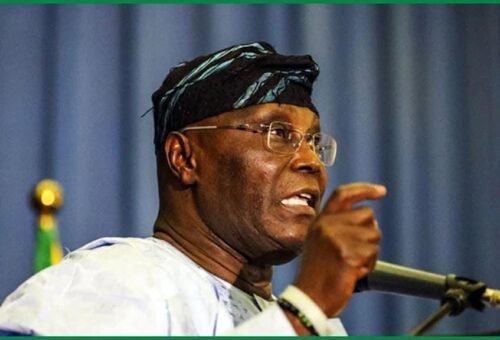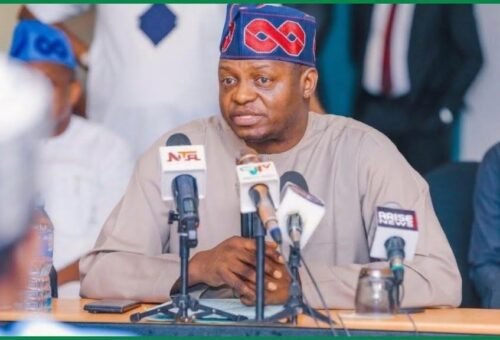

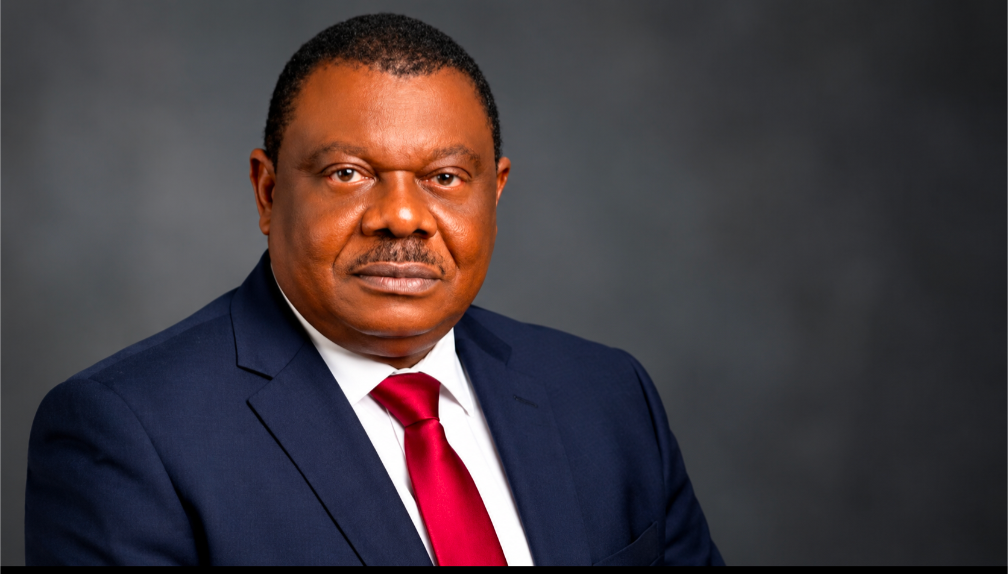
Aondoakaa spoke at the 28th Annual National Conference of the National Association of Teachers of Languages in Colleges of Education and Polytechnics. The event took place in the auditorium of the Federal Polytechnic, Wannune.
The association brings together teachers of languages from colleges of education and polytechnics. Its yearly conference gives education workers a place to discuss issues that affect schools and students.
According to Aondoakaa, the loan would support students in tertiary institutions. Tertiary institutions include universities, polytechnics and colleges of education.
He said the money would help students cover two main costs: tuition and living expenses. Tuition is the fee a school charges for teaching. Living expenses cover things such as food, housing and transport.
The candidate did not give details on how much a student could borrow, who would qualify or how the fund would be financed, based on the remarks reported. Those points would likely need to be explained if the plan moves forward.
Aondoakaa said graduates would have up to 20 years to repay the loan. In simple terms, a person who borrows for school would not have to pay it all back quickly.
He also said repayment would start only after a graduate finds a job and becomes financially stable. This means a graduate who has no income would not be asked to pay yet. Supporters of such an approach often say it protects new graduates from early money pressure, while critics of student loans in general sometimes raise concerns about debt. The candidate’s statement focused on flexibility.
The Benue scholarship revival is the second part of the pledge. A scholarship is money given to a student for education that does not need to be paid back.
Aondoakaa said reviving scholarships alongside the loan facility is important. He explained that the goal is to keep underprivileged students from dropping out of school because of financial hardship. Underprivileged students are those from families with limited money.
The event drew education stakeholders, policymakers and community leaders. Stakeholders are people and groups with a direct interest in schools, such as teachers and school heads.
Among the guests were Barr. Cosmas Akighir, Board Chairman of the North Central Development Commission, and Dr. Tyover Ashinya Dajo, Rector of the Federal Polytechnic, Wannune. Other dignitaries were also present.
Paying for school is a challenge for many families in Nigeria. Tuition, books, housing and daily costs can add up, and some students leave school when they cannot afford them.
Aondoakaa’s student loan plan speaks to that concern. If it were carried out, students would have two possible sources of support: a loan that is repaid later and a scholarship that is not repaid. Whether the plan can work would depend on funding, rules and how it is managed.
Background on Student Financing in Nigeria
Student financing is already a public topic at the national level. The Nigerian Education Loan Fund is the federal body set up to provide loans to students in higher education. Readers can visit its website to see how a loan program is described officially.
Education policy is also handled by the Federal Ministry of Education. A state program such as the one Aondoakaa described would be a separate effort by Benue State, if it were ever created.
Elections in Nigeria are run by the Independent National Electoral Commission (INEC), where readers can find official information about the electoral process.
Key Takeaways
- Chief Michael Kaase Aondoakaa, SAN, is the PDP governorship candidate in Benue State.
- He pledged to reinstate state scholarships and create a state-backed student loan program if elected.
- The loan would help tertiary students with tuition and living expenses.
- Repayment would run up to 20 years and begin only after graduates get jobs and become financially stable.
- He said the plan aims to stop underprivileged students from dropping out due to hardship.
- He spoke at the 28th Annual National Conference of the National Association of Teachers of Languages in Colleges of Education and Polytechnics at the Federal Polytechnic, Wannune.
The Michael Aondoakaa student loans pledge, together with a return of state scholarships, is a proposal on how to help Benue students pay for higher education. Many details, such as loan amounts, eligibility and funding, were not stated in the remarks reported. Readers can follow the campaign and later announcements to see how the proposal develops.
This report is based on the candidate’s public remarks. Campaign promises are pledges and do not guarantee that a policy will be created or carried out.